El Dorado County Motion to Continue
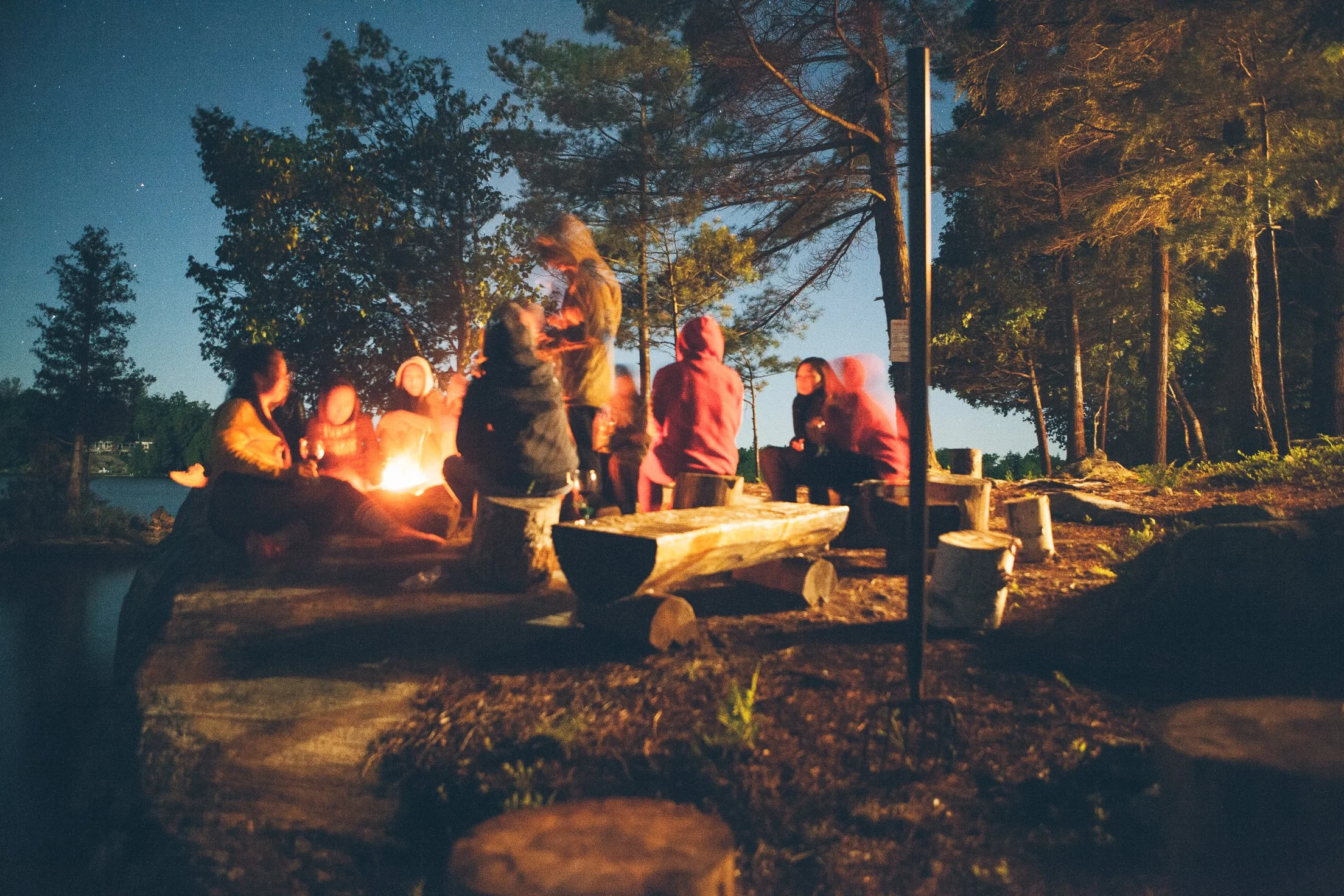
Bridging Divides - El Dorado came about because many leaders and residents in El Dorado County are concerned about the growing social and political divides and the impact they have on our relationships, our work, and our overall quality of life. Many of them have been inspired by the work being done in other communities and organizations demonstrating that divides can be bridged and that trusting relationships and respectful communication can be restored even among people with different perspectives and political affiliations. Learn More
"Bridging is the answer to sorting, othering, and siloing. It's what we do when we step out of our silos and try to see things from a different point of view. It can take patience, humility, and a good heap of courage. But it works."
"This is about the future of El Dorado County. What will it be 50 or 100 years from now?"
-Pete Peterson
"We need to have relationships, to have decency or we can't sustain our democracy."
-Amanda Ripley
"Bridging is the answer to sorting, othering, and siloing. It's what we do when we step out of our silos and try to see things from a different point of view. It can take patience, humility, and a good heap of courage. But it works."
-Monica Guzman
"Empathy is not Endorsement"
Empathizing with someone is the simple acknowledgment that they, like you, are a human. Empathizing with someone does not suddenly permit them to say and do awful things. People will do those things and think those things whether you empathize with them or not…[E]mpathy is more than just a consequence of conversation; it's the necessary fuel that conversation needs to keep going. It is the signal of safety that allows two people to continue opening up to each other.
Dylan Marron, Conversations with People Who Hate Me . View TED Talk here .
"When doing 'depol' work, you're not jostling for power and wrestling with your fellow Americans—you're wrestling with yourself. You're wrestling with the dark angels inside you, you're striving to bring forth the better angels of your nature, no matter what other people do or what happens in politics." - Luke Nathan Phillips, Braver Angels
In June 2021 most people responding to a national pool rated "divisions in the country" as America's biggest threat.
People do escape high conflict. Individuals—even entire communities—find ways to short-circuit the feedback loops of conflict. They don't suddenly agree, and this is important: they don't surrender their beliefs. Nor do they defect, switching from one position to the opposite extreme. Instead, they do something much more interesting: they become capable of comprehending that with which they still disagree. Like someone who learns a second language, they start to hear the other side without compromising their own beliefs. And that changes everything. Curiosity returns. Humanity revives. IQs go back up. Conflict becomes necessary and good, instead of just draining.
Amanda Ripley, High Conflict: Why We Get Trapped and How We Get Out.
On "Contact Theory"
"Once people have met and kind of like each other, they have a harder time caricaturing one another…"
"Relationships make it harder to dismiss and dehumanize other people.
"Relationships change us way more readily than facts."
Amanda Ripley, High Conflict: Why We Get Trapped and How We Get Out.
Listening doesn't mean agreeing. It doesn't mean legitimizing or amplifying what other people say. I still decide what to put in the story—and what to keep out. Listening deeply does not mean creating false equivalencies. The rush to assume it does comes from a superficial understanding of conflict. Instead, investigating the understory means going deeper in a conversation alongside people, getting curious about what lies underneath what they've said.
Amanda Ripley, High Conflict: Why We Get Trapped and How We Get Out.
If there's one thing that most people on the left and right can agree on, it's that the way we treat and talk to the other side is broken.
Mónica Guzmán, I Never Thought of It That Way.
Source: https://www.bridgingdivides-eldorado.org/
0 Response to "El Dorado County Motion to Continue"
Post a Comment